The Future of HR Analytics: From So What to What Next?
That lag is becoming harder to justify. As organisations deal with tighter labour markets, cost pressures and shifting workforce expectations, decisions about people carry more weight and less margin for error. The expectation is changing accordingly. HR is no longer asked only to explain what happened, but to contribute to what happens next.
This is where the evolution of analytics becomes meaningful. Not as a technical upgrade, but as a shift in how HR participates in decision-making.
Starting in Familiar Territory
Most organisations begin in familiar territory. Reporting is established, dashboards are in place, and there is a reasonable level of visibility across headcount, turnover and absence. The numbers are useful, but their role is retrospective. They confirm movement rather than shape it.
Progress tends to accelerate once data starts to be connected. Patterns begin to emerge when engagement results are viewed alongside turnover, or when absenteeism is considered in the context of workload and scheduling. These connections are rarely complex in themselves, but they change the nature of the conversation. Instead of asking what moved, leaders begin to ask why.
Even at this stage, limitations become obvious. Data sits across multiple systems; definitions are not always aligned and extracting a clear view can take more effort than it should. Many HR teams find themselves spending more time preparing data than interpreting it. This imbalance holds organisations back more than any lack of tooling.
Moving Beyond Explanation to Anticipation
Where things become genuinely interesting is when organisations move beyond explanation and start to anticipate. Predictive models, often powered by machine learning, make it possible to identify outcomes based on historical patterns. Retention risk is the example most often cited, and for good reason. When a model flags that a group of employees share characteristics with others who have recently left, it gives the business a window to act.
What matters here is not the sophistication of the model, but the timing of the insight. In many organisations, attrition is still analysed after the fact. Exit interviews are reviewed, themes are identified and recommendations are made. By that point, the opportunity to retain those individuals has already gone; predictive capability shifts that sequence forward.
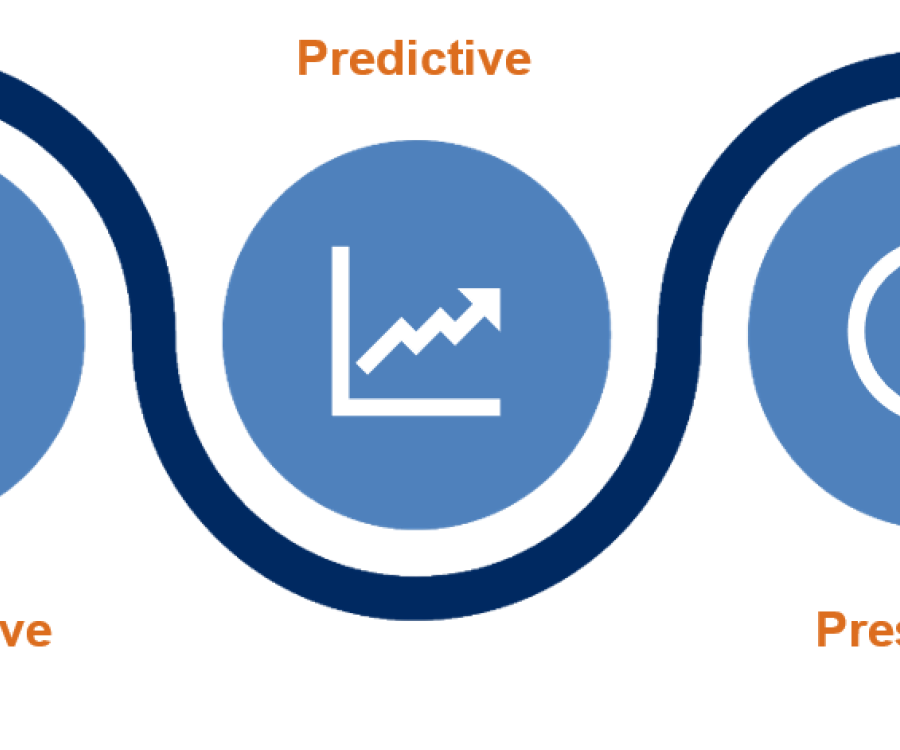
This progression represents not just a technical evolution, but a fundamental change in how HR contributes to organisational decision-making.
Workforce Planning Transformed
A similar dynamic applies in workforce planning. Consider a business preparing for moderate growth over the next two years. Without predictive input, hiring plans are often based on simple ratios or historical patterns. With forecasting in place, HR can model demand against different growth scenarios, examine the availability of skills in the market and identify pressure points before they materialise.
Without Predictive Input
Hiring plans based on simple ratios
Reliance on historical patterns
Reactive headcount requests
Limited visibility of future risk
With Forecasting in Place
Model demand against growth scenarios
Evaluate availability of skills in the market
Identify pressure points early
Conversations about risk, timing and trade-offs
As a result, the conversation with finance and operations changes. It becomes less about headcount requests and more about risk, timing and trade-offs.
When Analytics Begins to Influence Action
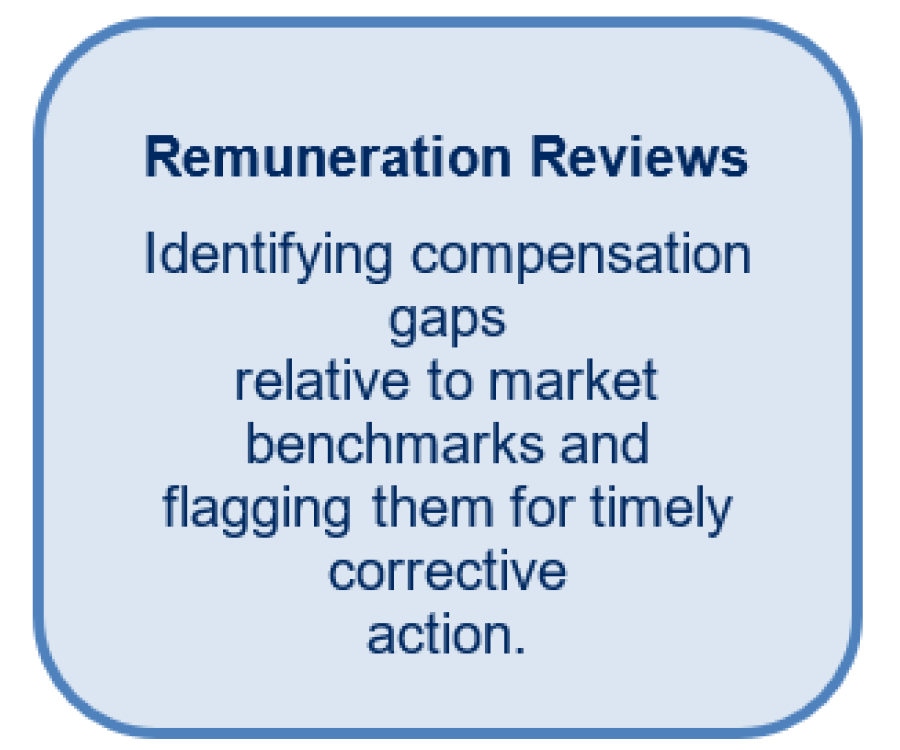
The next step is when analytics begins to influence action more directly. When systems move from highlighting risk to recommending responses, the value becomes more immediate. If a model identifies a retention issue in a critical team, it can also surface the interventions most likely to make a difference - whether that involves development opportunities, remuneration reviews or role design changes.
This is where some organisations hesitate - and with good reason. Recommendations based on employee data carry weight, and they need to be transparent and defensible. HR’s role does not diminish at this point; it becomes more important. Judgement, context and ethics sit alongside the output of any model.
Analytics as Part of the Operating Rhythm
Beyond that is a more embedded form of analytics, one that is taking hold in more mature environments. Rather than being triggered by a specific question or project, insight becomes part of the operating rhythm. Workforce scenarios are considered alongside financial ones. Talent risks are surfaced early enough to influence delivery. Leaders engage with data in a way that feels continuous rather than episodic.
Scenario modelling plays a significant role. It allows organisations to explore the implications of decisions before they are made. What happens if hiring is slowed in one function but accelerated in another? How does a shift in contractor usage affect cost and capability over time? These are not abstract exercises. They directly inform planning conversations that would otherwise rely on assumption.
The Critical Role of Data Integration
The effectiveness of all of this depends less on the tools involved and more on the condition of the underlying data. Organisations with fragmented systems quickly run into constraints. Payroll, performance, learning and finance data often tell various parts of the same story, but without integration, those parts remain disconnected. Insights are partial, confidence is limited, and adoption suffers.
Fragmented Systems
Insights are partial
Confidence is limited
Adoption suffers
Time lost reconciling numbers
Where Integration is Addressed
Data becomes easier to access
More consistent to interpret
HR engages on equal footing with other functions
Conversations shift to deciding what to do
Where integration is addressed, the impact is noticeable. Data becomes easier to access and more consistent to interpret. HR is able to engage with other functions on an equal footing, using a shared set of assumptions. The conversation shifts from reconciling numbers to deciding what to do about them.
An Incremental Path Forward
For organisations looking to progress, the most effective approach is usually incremental. Effort is best directed at the next constraint rather than the end state.
Data Quality and Consistency: ensuring that reporting can be relied upon without qualification.
Connect Datasets: developing the capability to connect datasets and draw meaningful conclusions.
High-Value Predictive Use Cases: selecting a small number of high-value predictive use cases and integrating them into business planning.
What tends to differentiate successful organisations is not how quickly they adopt new tools, but how deliberately they embed them. Analytics that sits alongside the business rarely changes outcomes. Analytics that becomes part of how decisions are made, does.
A Shift in How HR Operates
This has implications for how HR operates. Time spent producing routine reports should reduce as automation improves. In its place, more time is spent interpreting information, engaging with stakeholders and shaping decisions. The work becomes less about providing answers and more about framing the right questions.
There is also a broader shift in expectation. As analytics capability improves, HR is increasingly seen as a source of insight rather than a function that reports on activity. That shift brings opportunity, but it also raises the bar. Confidence in the data, and in how it is used, becomes critical.