

Who's Really on Your Payroll?
A Different Workforce
Worker classification is the legal determination of how each person in your workforce is engaged. It is not simply an HR label. The category assigned to a worker – employee or independent contractor, permanent or casual – determines every downstream payroll obligation: how pay rates are set, how superannuation is calculated, how leave accrues and how tax is applied. Get it right and your payroll reflects the legal reality of the engagement. Get it wrong, and the consequences accumulate silently through every pay run.
For payroll professionals, this is not an abstract concern. Australia’s workforce has never been more varied. Full-time permanents, long-term casuals, fixed-term contractors, independent operators and labour hire workers increasingly sit alongside one another in the same organisation. They may contribute to the same enterprise, sometimes performing similar work, yet the legal and payroll obligations attached to each engagement can be very different.
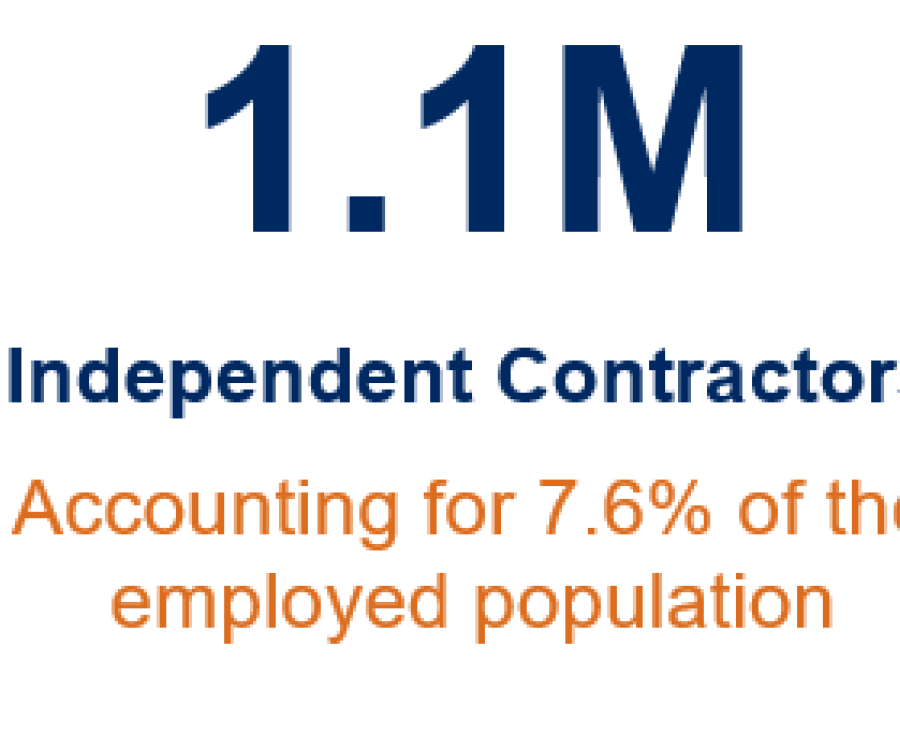
The legislative framework governing these classifications changed significantly with the passage of the Closing Loopholes Acts in 2023 and 2024. Those reforms redefined what it means to be an employee or an independent contractor under the Fair Work Act, introduced new rights for casual employees including a clearer pathway to conversion, and strengthened the provisions against sham contracting. The legislative debate has largely passed, and the changes have now been in place for more than a year. The more relevant question for many organisations today is whether everyday practice has genuinely caught up with what those changes require.
Managing this diversity has always required care. What has shifted is the environment in which mistakes come to light. The consequences of incorrect classification are increasingly visible in enforcement outcomes and public reporting.
The Enforcement Climate Has Changed
Legislation establishes the framework for compliance, but enforcement is what ultimately shapes behaviour. Recent reporting from the Fair Work Ombudsman shows a regulator operating with increasing scale, confidence and visibility.
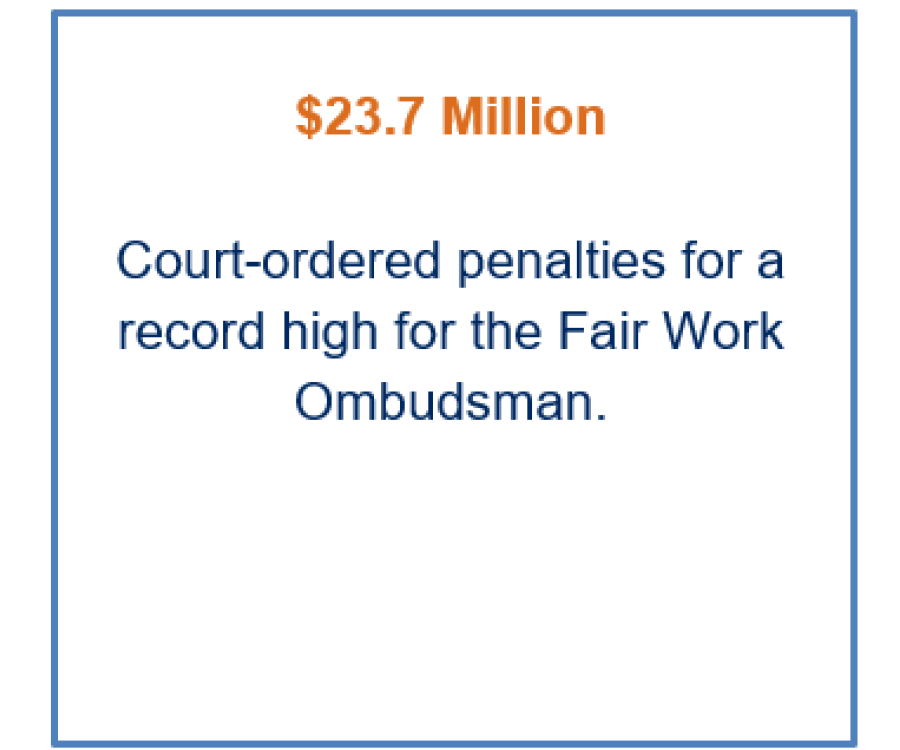
Another indicator of the current environment can be seen in the volume of tip offs received by the regulator. Anonymous reports increased from 17,021 to 25,608 in a single year, an increase of around 50%. The number itself is significant, but what it represents is more telling. Workers are increasingly aware of their rights and more willing to report concerns when something does not appear right.
Looking ahead, the Fair Work Ombudsman has confirmed it will continue to apply an intelligence-led approach to enforcement. Priority sectors include aged care, agriculture, building and construction, disability support services, fast food, restaurants and cafes, large corporates and universities. For organisations operating in these sectors, regulatory scrutiny is no longer a remote possibility. It is a realistic and ongoing feature of the compliance landscape.
Classification Is Where It Starts
For payroll teams, the practical consequence of classification flows directly into system configuration. Once a worker’s status is set in payroll, those settings give operational effect to the classification decision. The entitlements applied, the rates calculated and the obligations reported all follow from that initial determination.
The legal framework is now well understood. Determining whether a worker is an employee or an independent contractor requires applying the whole of relationship test. This involves assessing how the arrangement works in practice rather than relying solely on the wording of a contract.
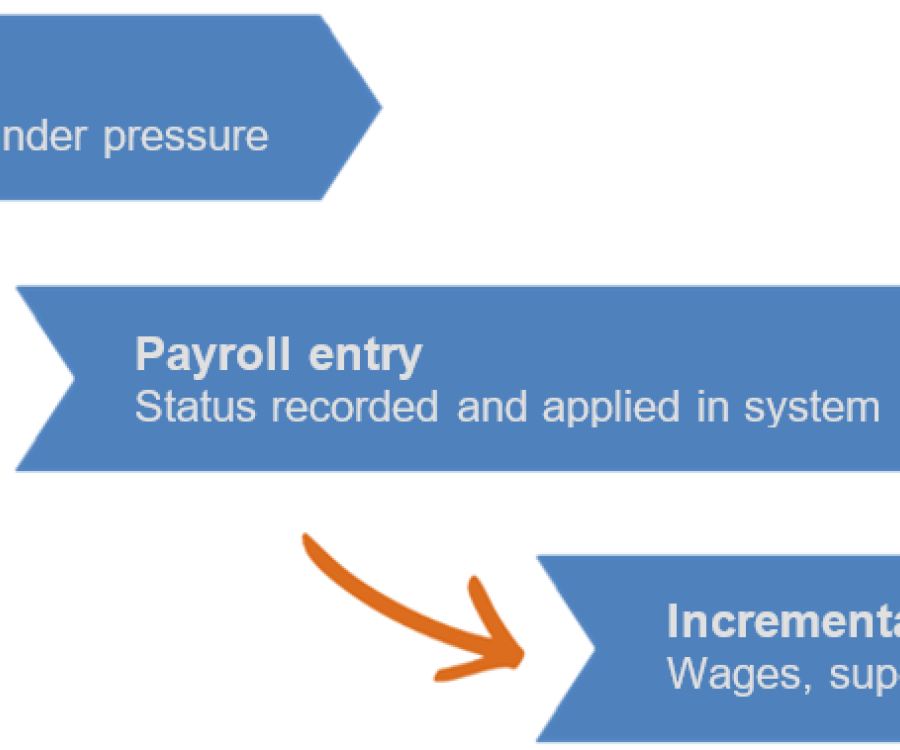
When misclassification issues arise, discussions with compliance specialists reveal a consistent pattern. The problem rarely originates in payroll. Most times, the critical decision is made earlier, at the point the worker is first engaged. In some organisations that decision is weighed and tested against current legal criteria. In others it is made quickly, often under operational pressure and informed by assumptions formed under earlier interpretations of the law.
By the time a worker appears in the payroll system, their status has already been set. Payroll then gives effect to that decision. If the classification is incorrect, the consequences do not remain theoretical. They build incrementally through each pay run, affecting wages, superannuation contributions, leave accruals and tax treatment.
These issues are rarely found through routine payroll processing. In the current enforcement environment, they are more likely to surface through external triggers such as a worker complaint, an anonymous tip-off, an audit or a regulatory review. At that point, the focus shifts quickly from outcomes to process, and organisations are asked to explain how the original classification decision was made.
For payroll professionals, this presents both a risk and an opportunity. Payroll sits closest to the operational consequences of classification decisions and is often the first function to see when an engagement no longer aligns with how work is actually being performed. Visibility, documentation and regular review allow those signals to be identified and addressed before they become enforcement issues.
The Documentation Question
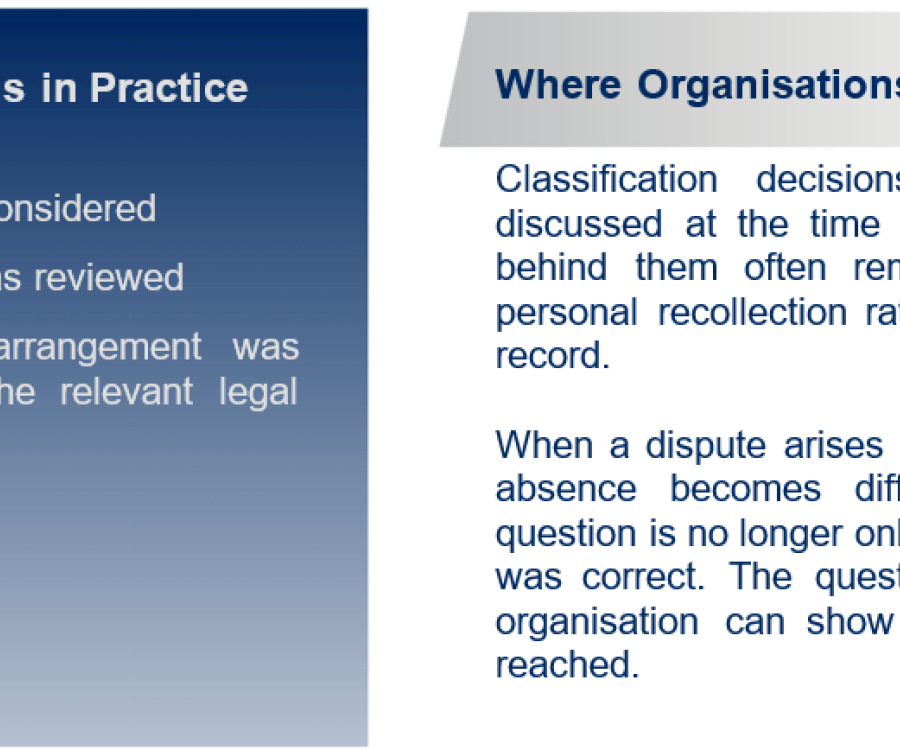
There is another dimension to this issue that many organisations are only beginning to consider. It concerns the ability to show the reasoning behind initial classification decisions. Under the current reforms, an employer defending a sham contracting claim must be able to show that they reasonably believed a worker was correctly classified as a contractor at the time of engagement. In everyday language, the phrase reasonable belief may sound modest. In a legal context, it becomes a question of evidence.
What Good Looks Like
Organisations that appear to be managing this environment effectively display similar patterns. Classification decisions are rarely informal. They are usually made against defined criteria, and the reasoning behind them is recorded rather than assumed.
In these organisations, engagement processes are closely connected to payroll configuration. The type of engagement determines the entitlements that are applied from the beginning, reducing the likelihood of incorrect settings quietly persisting over time.
They also treat workforce status as something that can evolve. Casual employees approaching eligibility for conversion are visible within the system. Contractor arrangements that resemble employment relationships are more likely to prompt review.
None of this relies on complex legal theory. Most times, it depends on visibility. Organisations need to know how workers are engaged, understand how those engagements interact with the legal framework, and ensure the reasoning behind classification decisions can be retrieved when needed.
For payroll professionals, this area often presents a practical opportunity to influence broader organisational practice. They are frequently closest to the operational reality of workforce engagement and the consequences that flow from it.
A Useful Question to Ask
A simple internal test can often reveal a great deal. Are you able to provide – today - a precise report detailing the classification of each active employee, the rules followed, and the record of each decision?
For some organisations the answer will be ‘yes’. For others, the answer may be less certain, particularly where workforce arrangements have evolved.
The regulatory environment has sharpened, and enforcement activity suggests it is active. In that context, worker classification is less a one-time administrative step and more of an ongoing process that benefits from visibility, documentation and review.
As payroll professionals, the opportunity lies in helping your organisations close the gap between long-standing practice and the expectations of the current regulatory landscape.