

AI in Australian Payroll: The Growing Gap Between Use and Assurance
The Gap Between Use and Confidence
AI is moving quickly through Australian payroll functions. Governance is not keeping pace. That gap is no longer theoretical; it’s measurable.
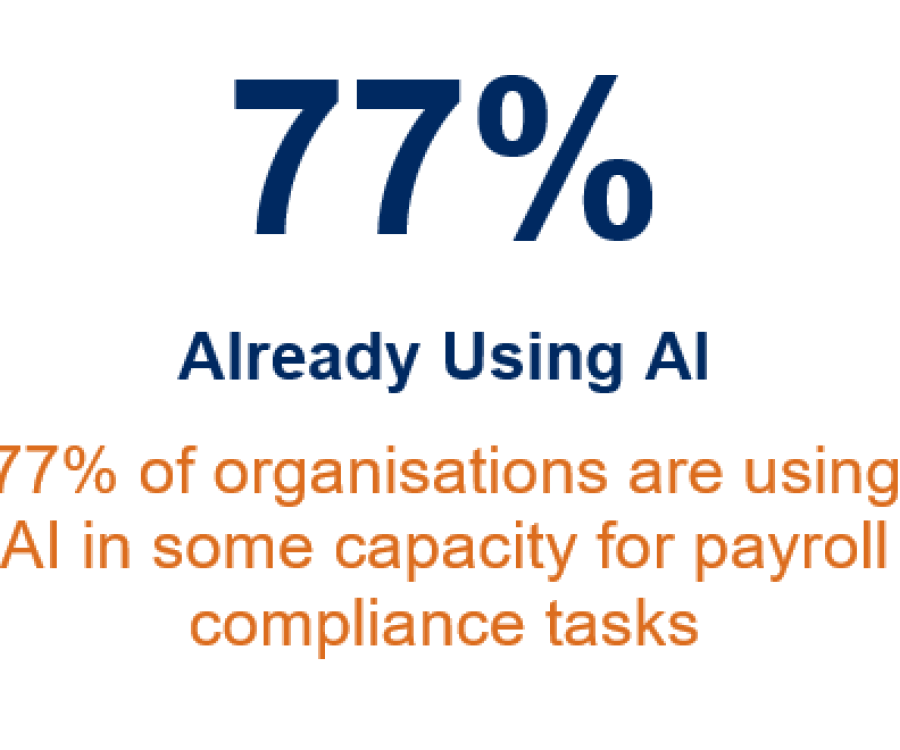
This is not a slow transition. It is a rapid shift occurring in uneven stages. The gap between use and assurance is where current payroll risk is forming.
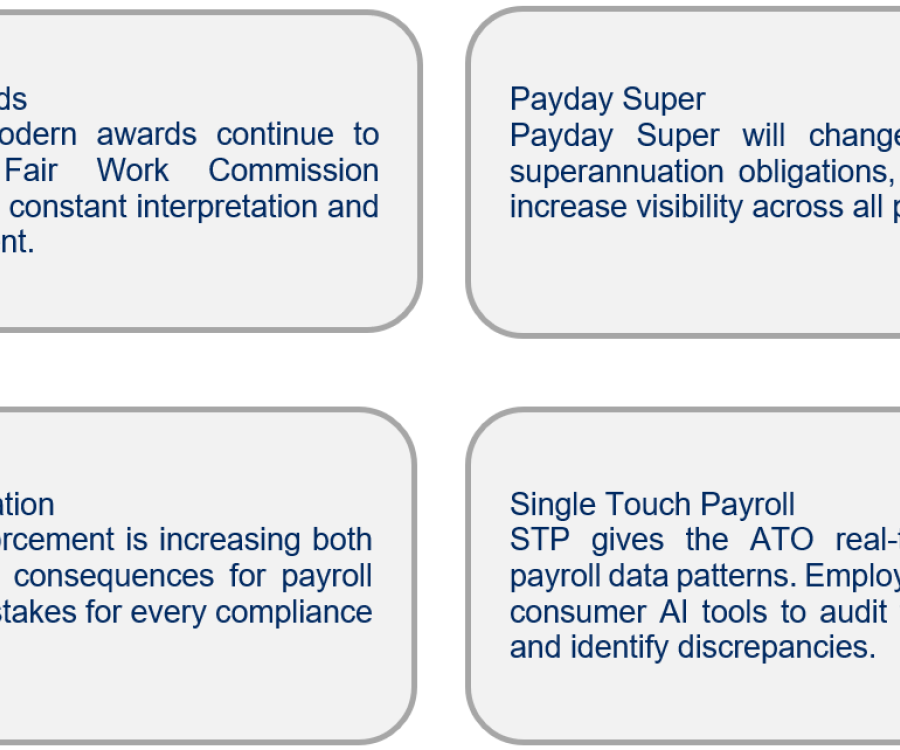
Why Australian Payroll is High Stakes
AI in Australian payroll refers to the use of machine learning and data-driven systems to support payroll compliance, error detection and workforce cost analysis alongside traditional rule-based payroll automation.
It is a continuously changing regulatory environment where scrutiny is rising from both regulators and employees and tolerance for error is falling.
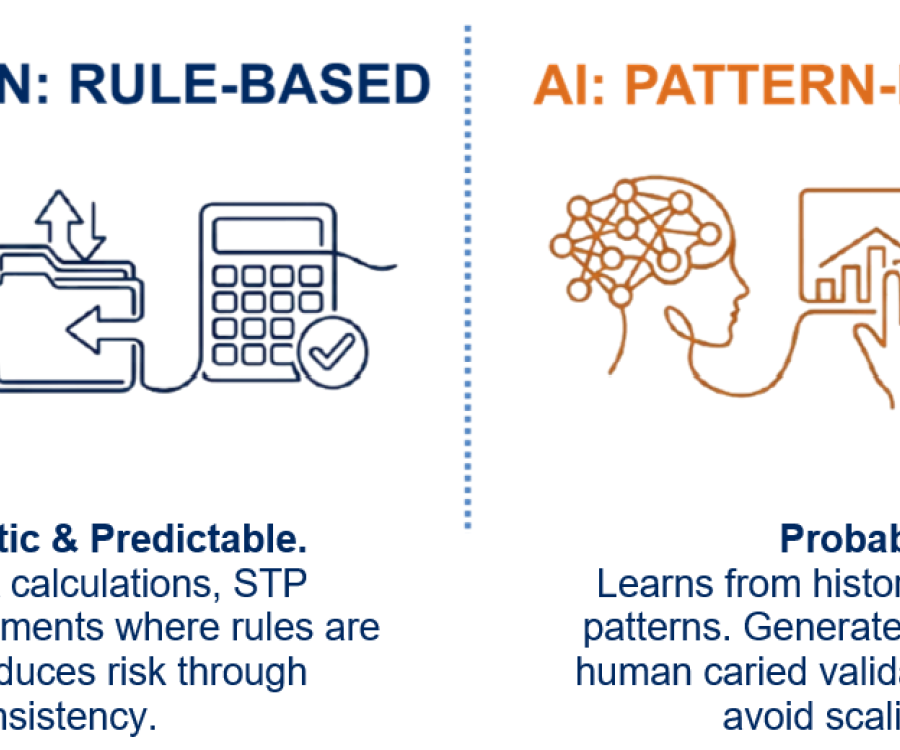
Payroll Automation vs. AI: What’s the Difference and Why It Matters
The distinction between automation and AI is not semantic – it is the foundation of sound payroll risk management. Confusing the two can amplify small issues at the ledger level.
What’s Safe Today
Rule-based automations for tax calculations
Single Touch Payroll reporting
AI-assisted anomaly detection with human review
What Requires Caution
Generative or predictive AI for award interpretation
AI-driven employee classification without structured review
“Touchless payroll” end-to-end processing with minimal human intervention
A useful model: treat AI as a co-pilot, not an autopilot. Australian payroll has inherently interpretive awards and enterprise agreements requiring contextual judgement. Edge cases are not exceptions; they are routine.
Where AI Delivers Real Value in Australian Payroll
AI is already delivering measurable benefits in defined areas. In each case, AI surfaces insights. It does not resolve issues independently. For many organisations, the highest immediate returns come from superannuation compliance monitoring and pattern analysis across fragmented timesheet and pay code data. These are areas where manual checks remain time-intensive under evolving Payday Super rules.
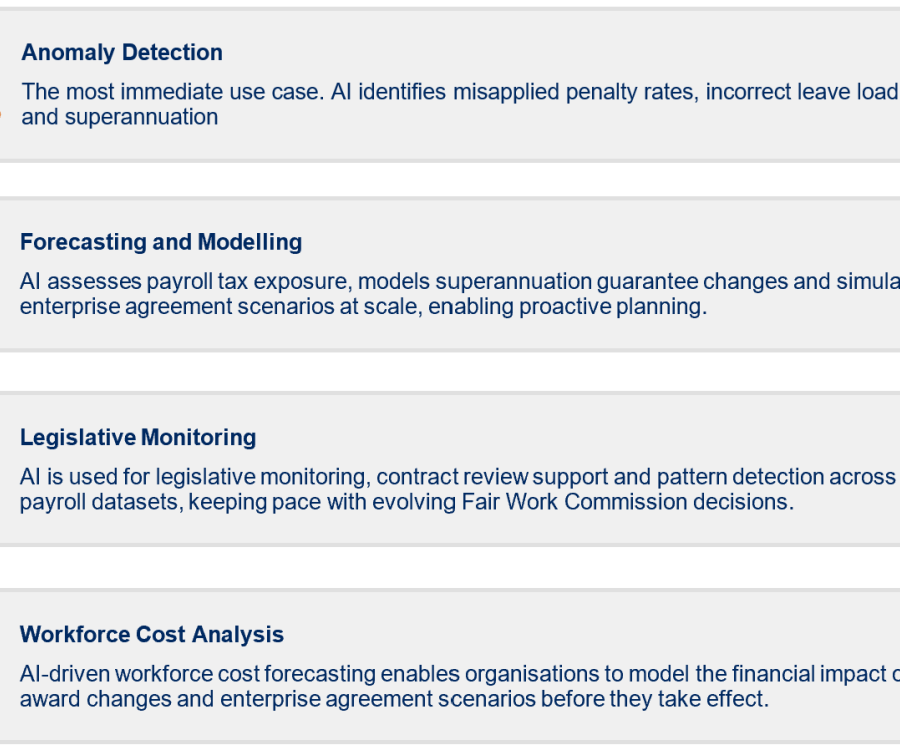
The key distinction is that AI supports decision-making. It does not replace it.
The Hidden Risks of AI in Payroll
The promise of “touchless payroll” is gaining attention, but in Australia’s regulatory environment, it introduces material risk. Some vendors promote “touchless payroll” as fully automated end-to-end processing with minimal human intervention. With Australia’s interpretive award system, this introduces material risk because AI can misalign with recent Fair Work Commission changes or enterprise agreement nuances if not continuously validated. AI amplifies what already exists in the data. If rules or inputs are incorrect, errors will scale quickly.
Australia’s award system is highly complex. With so many modern awards and evolving enterprise agreements, interpretation changes frequently. AI systems trained on historical data may not reflect current obligations.
A second risk is workforce scrutiny. Employees now have access to AI tools that allow them to audit their own payslips. This increases the likelihood of discrepancies being identified by staff rather than within the payroll department.
Data privacy is another consideration under the Privacy Act 1988. Payroll data is sensitive and must be handled under strict compliance frameworks.
Algorithmic bias presents a further risk. Systems trained on historical workforce data may replicate inequities at scale. A well-known example is Amazon’s recruitment AI, which demonstrated bias against female candidates due to historical training data. The lesson is clear: AI reflects the data it is trained on.
In payroll, this could manifest as biased allocation of overtime or penalty rates if historical patterns are not corrected. Finally, removing human oversight erodes institutional knowledge and reduces audit defensibility.
Governance and Human Oversight
Regulators, including the Australian Taxation Office and Fair Work Ombudsman, have made it clear that accountability remains with the employer, regardless of technology use. Effective AI governance does not require complexity. It requires structure, clarity and human oversight. Key governance principles include:
Human-in-the-Loop Validation: Maintain human validation for all high-risk payroll decisions, particularly those involving award interpretation, employee classification and final pay calculations.
Regular AI Risk Assessments: Conduct regular assessments covering bias, accuracy and alignment with current awards and legislation. Validate AI outputs against the latest Fair Work Commission determinations.
Audit Trails for AI Decisions: Maintain clear audit trails for all AI assisted payroll decisions. These records are essential for satisfying ATO and FWO expectations and defending compliance positions.
Workforce AI Literacy and Training: Build internal AI literacy so payroll teams can interpret AI insights, identify anomalies in AI outputs and maintain defensible decision-making processes.
Vendor Due Diligence: Apply rigorous due diligence on vendor data handling, compliance standards and model training practices before deploying any AI-assisted payroll solution.
Payroll leaders can shift from routine processing to strategic roles, such as interpreting AI insights, advising on risk, and maintaining defensible audit trails that satisfy ATO and FWO expectations.
The Path Forward
AI is already embedded in Australian payroll. Adoption will continue to increase as tools mature and regulatory frameworks evolve. The organisations that manage this transition effectively will be those that maintain clear distinctions, deploy AI purposefully and retain human oversight where it matters most.
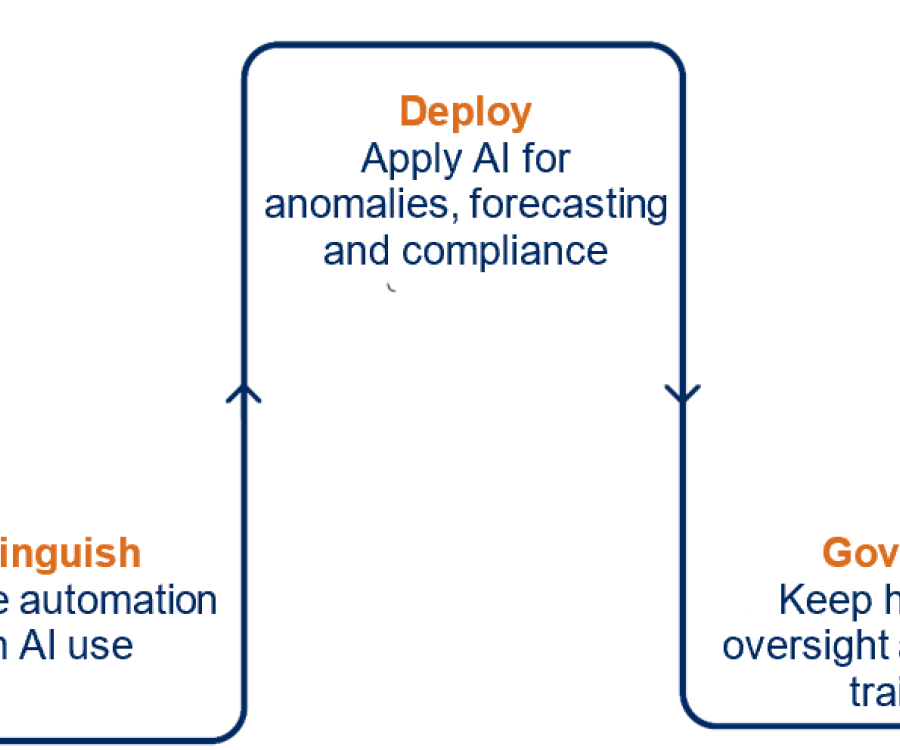
Regulatory expectations are also likely to evolve toward greater transparency and governance in AI-assisted payroll processes. The future of payroll is not humans versus machines. It is humans supported by machines, making better decisions faster. Payroll teams that embed clear governance today will be best positioned to harness AI responsibly tomorrow and into the future